Norway Rat in Arkansas
Norway rats are substantial ground-oriented rodents, sometimes called brown or sewer rats. Around Arkansas homes, inspect food sources, clutter, foundations, and sheltered ground routes rather than assuming every rat lives in the attic.
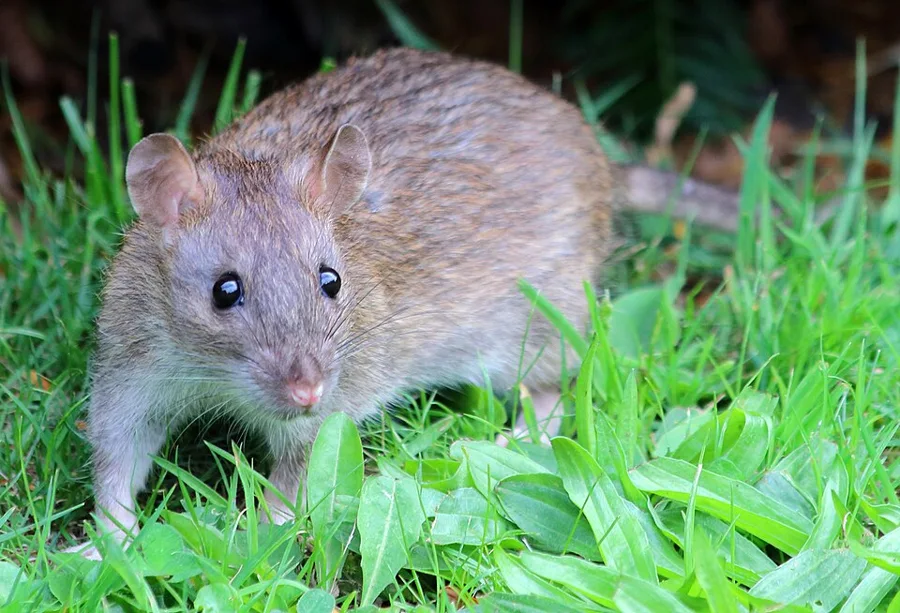
Dunpharlain — CC BY-SA 4.0. Resized and converted to WebP.
Quick identification
- scientificName
- Rattus norvegicus
- size
- Body about 7–10 inches, with a tail shorter than head and body combined
- color
- Brown or gray-brown with a paler underside
- activity
- Mostly nocturnal; often associated with ground-level shelter
- primaryConcern
- Contamination, gnawing, and burrowing around structures
How to identify this pest
A Norway rat typically has a heavy body, a blunt muzzle, relatively small ears, and a tail shorter than its head and body combined. Roof rats are usually slimmer, with larger-looking ears and a longer tail. Young rats can be confused with mice. Burrow placement, travel routes, photographs, and droppings together provide better identification than one feature alone.
Why they are in Arkansas homes
Accessible garbage, spilled birdseed, outdoor pet food, thick cover, and shelter beneath stored materials can support activity. Crawlspaces and damaged foundation openings may provide routes into buildings. Rainfall or disturbance can change where rats travel, but weather alone does not explain an ongoing problem when dependable food and cover remain.
Are they dangerous?
Rats can contaminate food and surfaces and damage materials through gnawing. Do not handle live or dead rodents without appropriate precautions. Keep children and pets away from burrows, traps, and contaminated areas. Follow CDC guidance for wet cleanup of droppings rather than dry sweeping or vacuuming; seek professional advice for extensive contamination.
Why they keep coming back
Removing a rat without correcting food access and entry routes leaves conditions suitable for another. Neighboring cover, shared waste areas, and incomplete exclusion can contribute to recurrence. Rats can avoid new objects initially, so inspection and monitoring help interpret a control plan rather than moving equipment repeatedly after one quiet night.
Professional treatment
A $99 rodent inspection from Hicks Home Defense Pest Control can help assess species, activity, and accessible entry points. Treatment is separate from general pest membership and is priced after the scope is understood. Monitoring, targeted control, sanitation recommendations, and entry-point or exclusion advice may be appropriate. Structural repairs, extensive cleanup, or inaccessible areas can require additional work or a specialist.
Where you may find them
- crawlspace
- garage
- yard
Signs of an infestation
- Burrows beside foundations or sheltered ground features
- Large droppings along protected routes
- Gnawing on containers, materials, or food packaging
- Greasy rub marks on frequently used edges
- Repeated sightings around trash, stored materials, or ground-level openings
What you can do yourself
- Use tight-fitting trash lids and remove spilled feed.
- Store outdoor materials off the ground and reduce shelter near foundations.
- Inspect damaged vents, doors, and utility penetrations.
- Do not place loose poison where children, pets, or wildlife can reach it.
- Coordinate trapping and exclusion instead of sealing unknown active routes blindly.
Seasonal activity
fall
High: Cooling conditions can increase interest in protected structures.
spring
Moderate: Food and shelter changes can support movement and nesting.
summer
Moderate: Outdoor cover and accessible food can sustain activity.
winter
Indoor activity possible: Activity can persist in sheltered areas and occupied buildings.
Common questions
Are sewer rats and Norway rats the same?
Sewer rat is a common nickname for Norway rats, but a nickname does not establish where an individual animal came from.
How can I tell a Norway rat from a roof rat?
Norway rats are generally heavier, blunt-faced, and shorter-tailed. Roof rats are slimmer and longer-tailed. A clear image and activity location help confirm the distinction.
Does an attic noise mean I have rats?
No. Mice, squirrels, and other animals can also make noises. Identify the animal before deciding on a control or exclusion approach.
Can I fill a burrow immediately?
First establish what animal is using it and whether the route connects to a structure. Closing active access without a plan can move the problem or trap animals.
Will one trap solve the problem?
It may remove one animal, but continuing activity depends on the population and access. Monitoring and entry-point correction are important.
Is rodent control included in general pest membership?
Rodent inspection and treatment have a separate scope. The $99 inspection helps establish what additional work and pricing are appropriate.
Sources
- Arkansas Cooperative Extension: Household Pest Control
- CDC: How to Clean Up After Rodents
- Photograph: Mouse white background.jpg
- Photograph: Brown Rat (Rattus norvegicus).jpg
- Photograph license: CC BY-SA 4.0


Last updated 2026-10-07